Greetings from India where Kris and Libby are on a textiles tour (well, it’s a food and shopping tour as well…)
Our visit to Kolkata is focused on two aspects of textiles production: Kanthan embroidery and hand loom weaving. Once we penetrate the dust and the traffic gridlock we enter small design workshops, simple houses and craft centres to get a better understanding of these techniques.
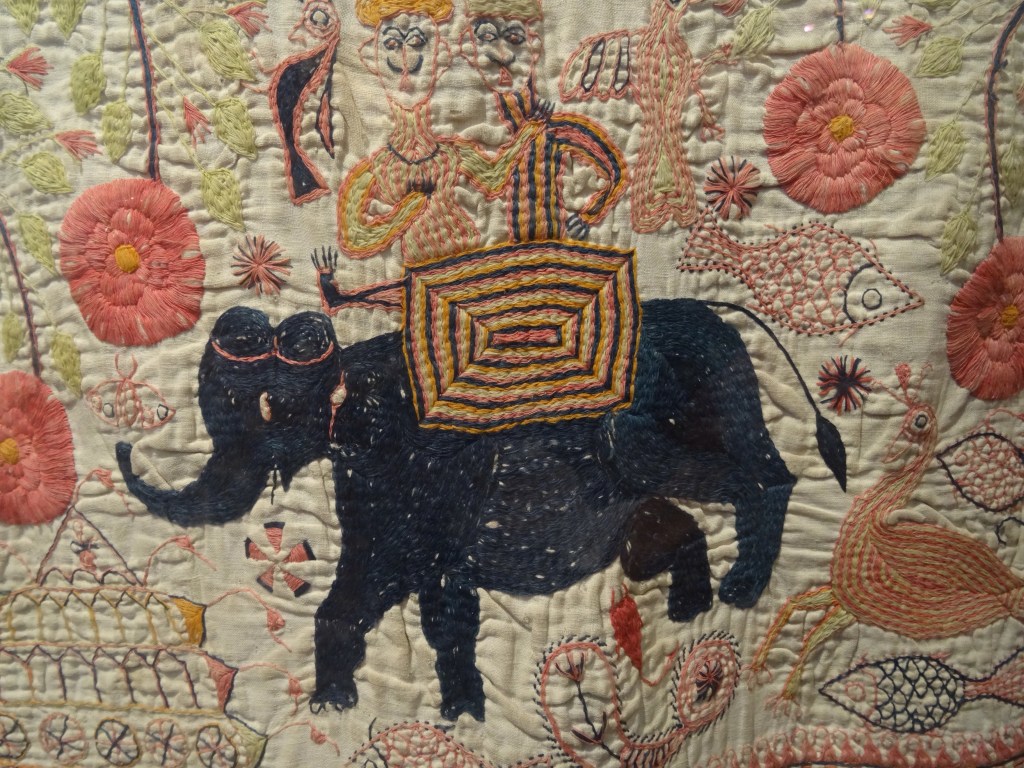
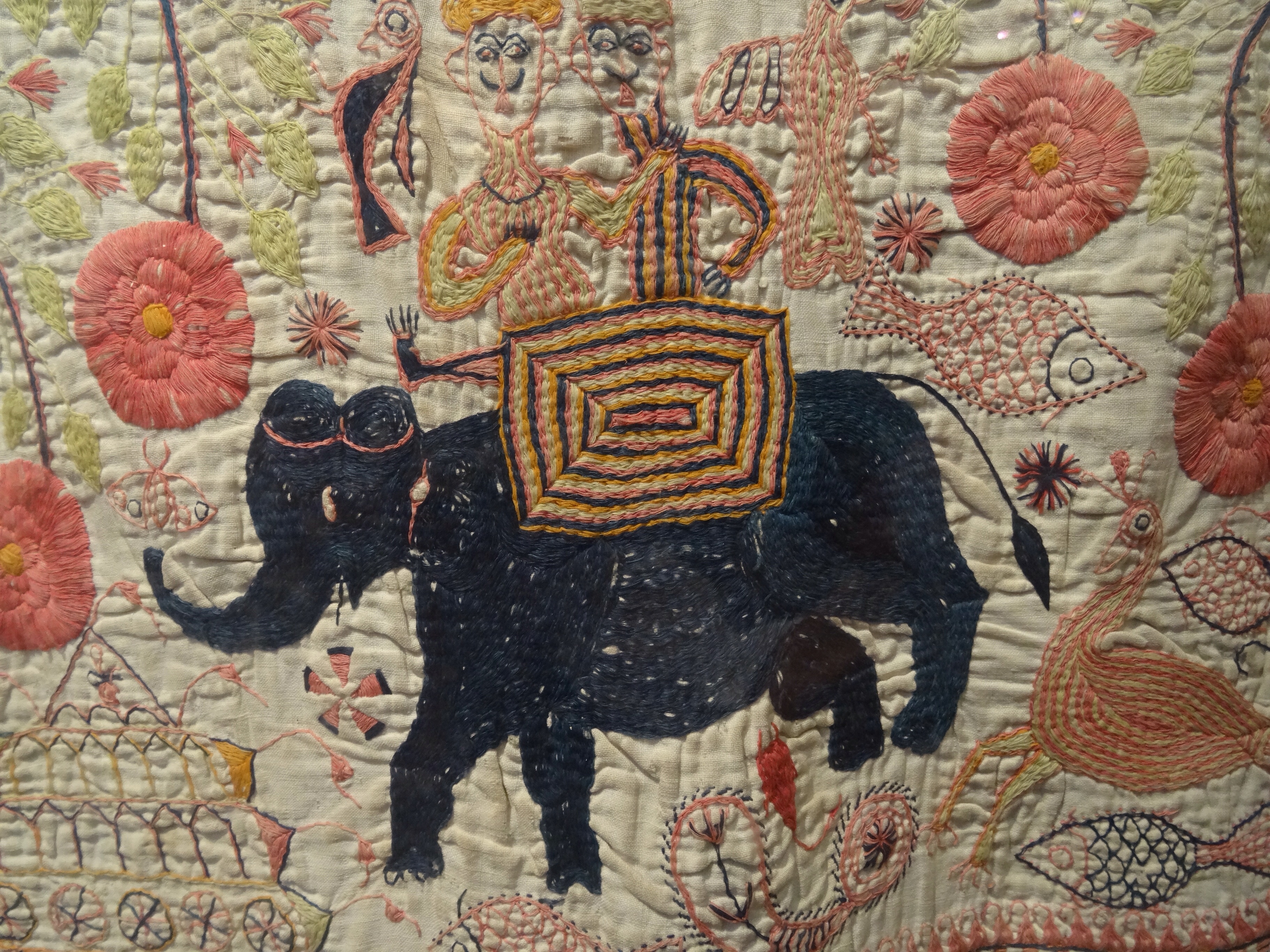
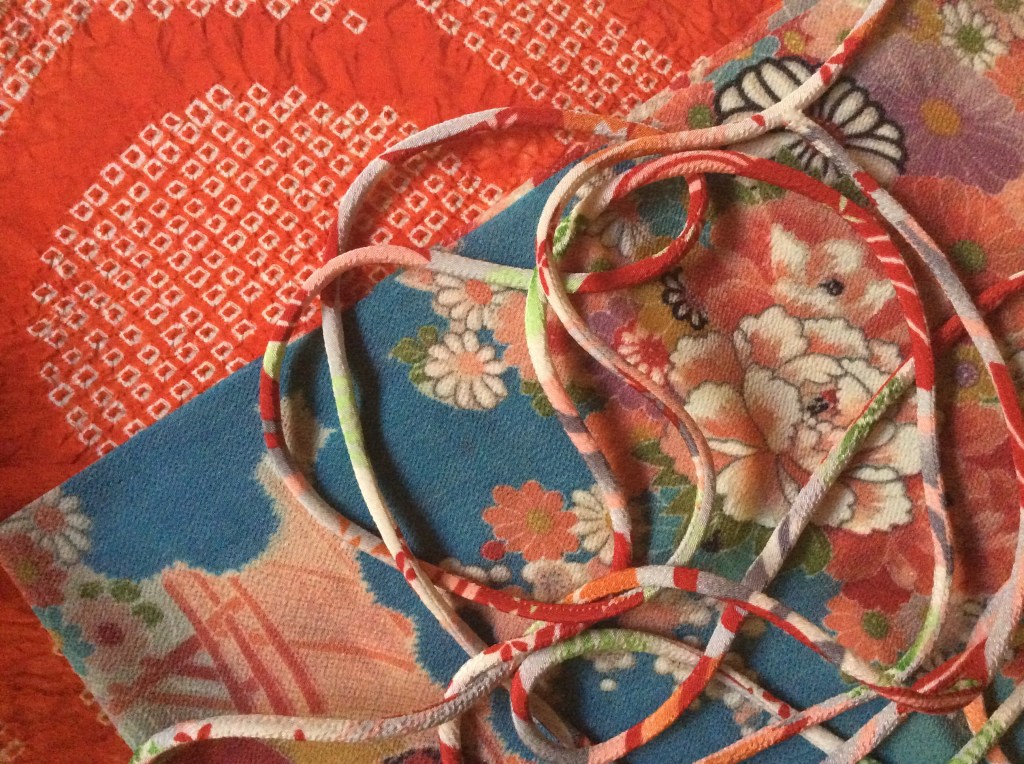
Kantha is basically a running stitch pattern and was used to recycle old saris. Threads from the border were pulled out and used to stitch together two layers of cloth in a delicate pattern which created a new art form. These quilts were used in several ways such as bedspreads, wallets and cloths for wrapping babies. On older kantha, there was usually a central mandala of a hundred petalled lotus, surrounded by other images. These images were reflecting what the women saw around them in their everyday experience, recollected as they gathered together around the fabric, sharing the embroidery work. The stitch is now used on new fabrics, with a variety of motifs, continuing its decorative function.
This is a nineteenth century kantha from the Gurusaday Museum:
:
.
At Panchanna Gram, a women’s cooperative, and Sasha, an outlet for craftspeople all over India, we saw kantha with a contemporary twist as women responded to what they see around them – buses, helicopters, bridges and children playing. The women work to commissioned designs or co-create some of their own. At Artisana, an NGO run by the Craft Council of West Bengal we saw kantha inspired by old Portuguese images from Goa.


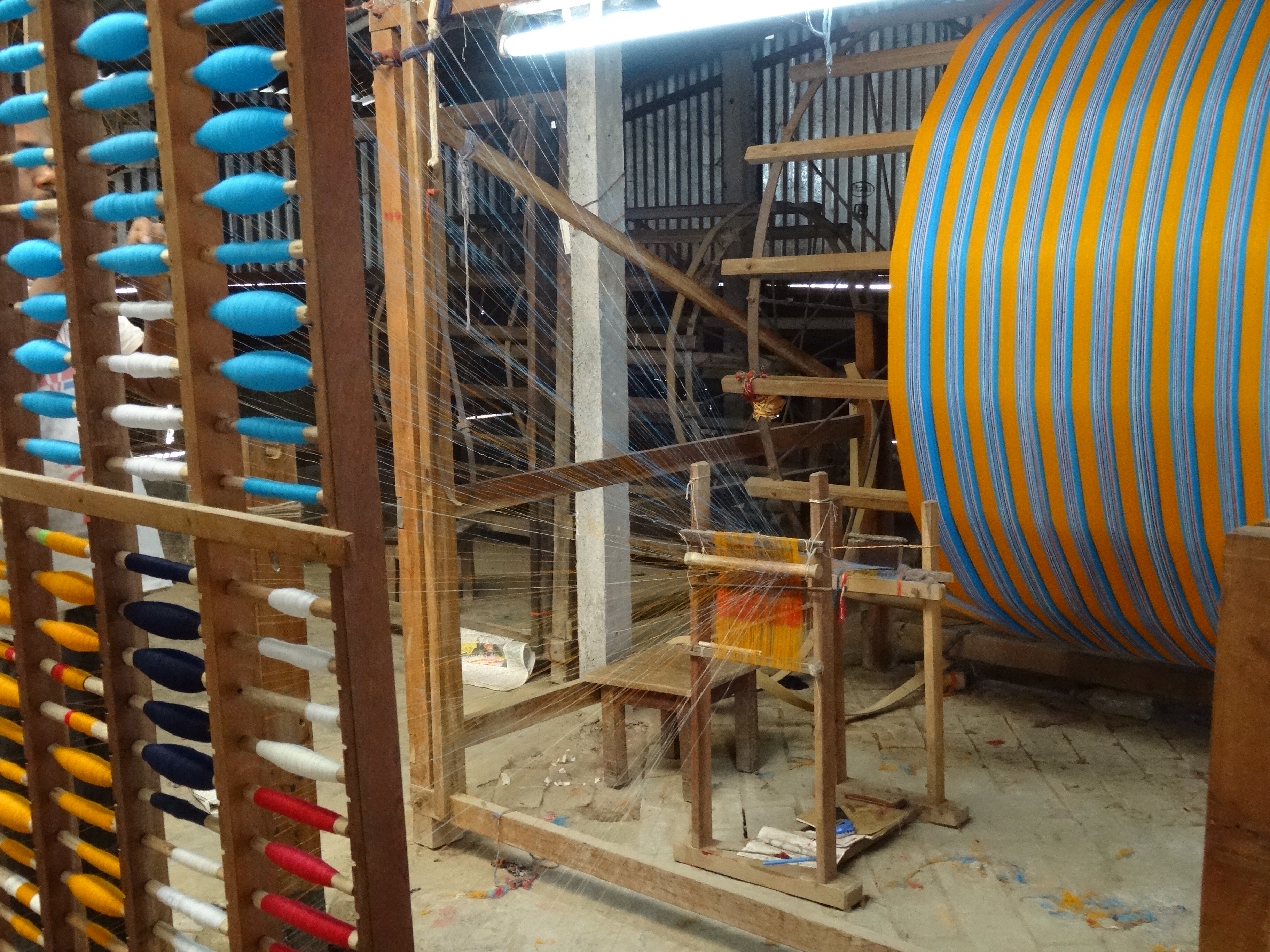
Khadi, the process of hand spinning and hand weaving cotton has a long tradition although for a time Indian cotton was exported to Manchester depriving local craftsmen of their income and making the product unaffordable for locals. It was Ghandi who motivated the nation to revive the skills of weaving. Now hand looming is still operating in some areas but soon these will disappear and mechanised looms, with their faster production, will predominate.
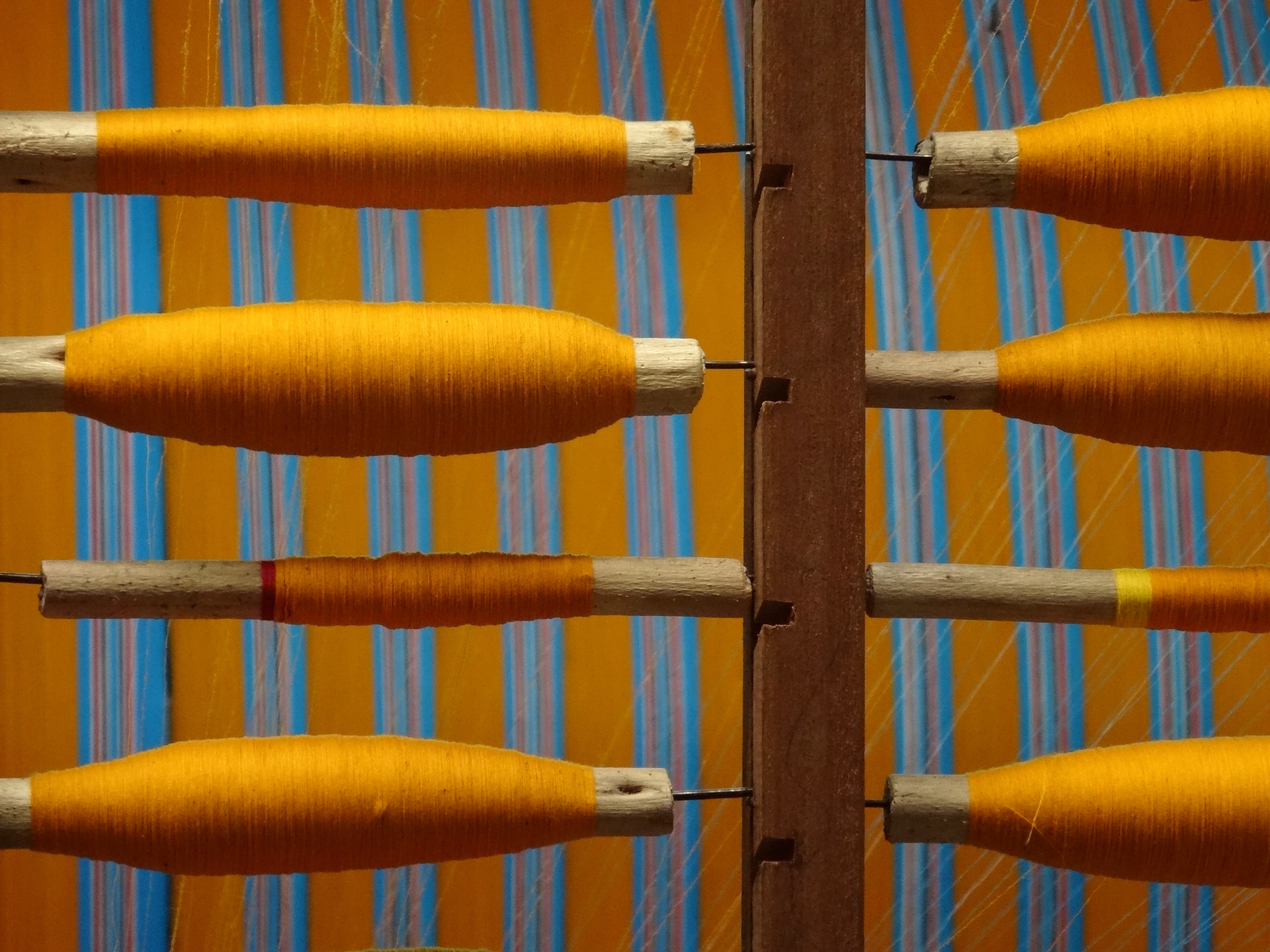
After a half day bus trip – you get a fair picture of the state of the roads when you hear that it took three hours to travel 90 kms – we visited the villages of Fulia and Shantipur near the Bangladeshi border. Here there is a long tradition of hand loom weaving. We saw spinning, dying and weaving as village industries, with beautiful weaving patterns such as jamdani which is as intricate as embroidery.


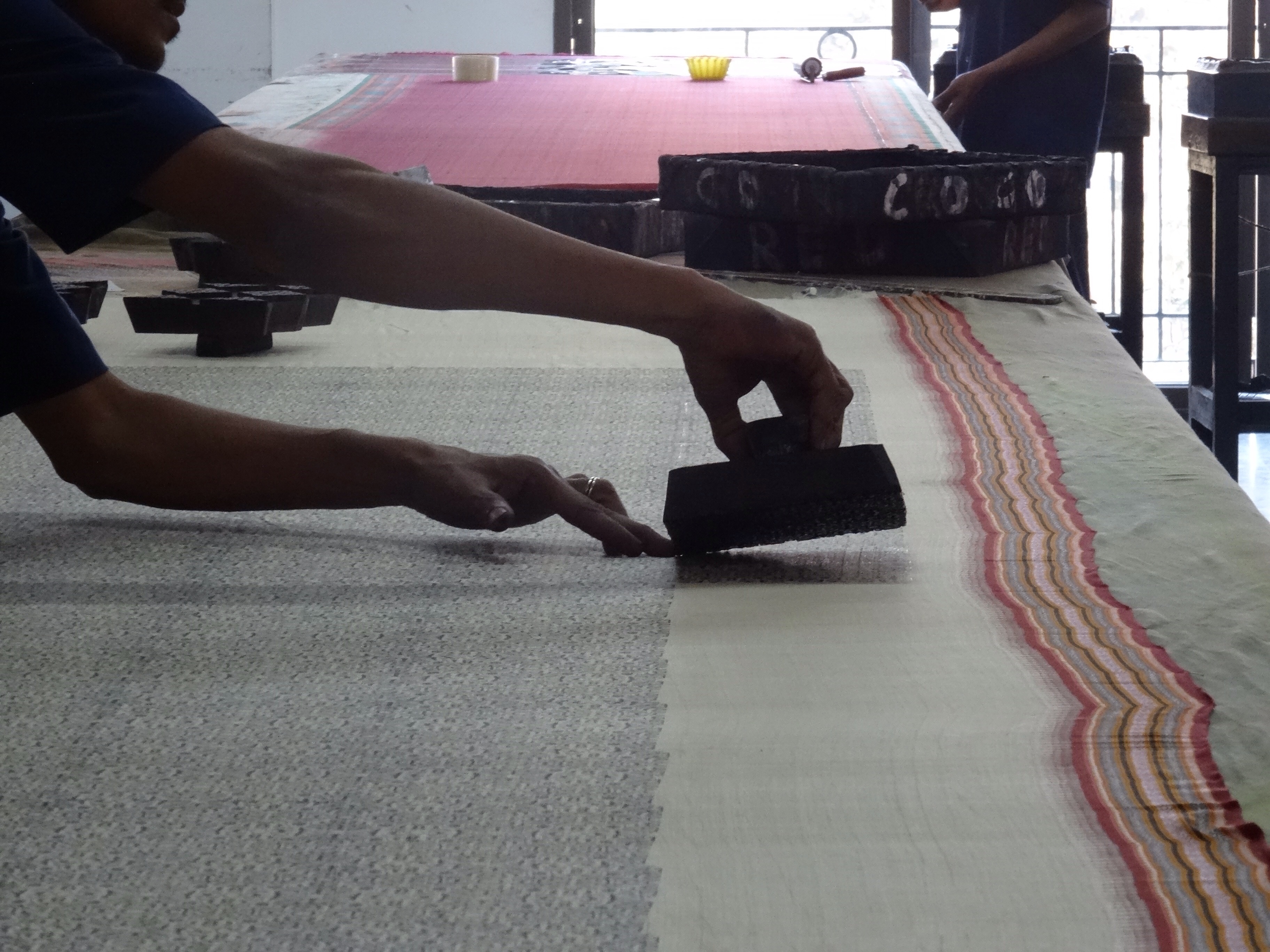
At Weavers Studio, another craft cooperative, we saw block printing, screen printing, hand loom weaving and embroidery, all under one roof.



 Kris Needham
Leave a reply to Alison Cancel reply