
Tashkent holds surprises for those of us who had ill-informed preconceptions. The city was held to be the fourth most important city of the Soviet, so benefitted enormously when rebuilt after the earthquake of 1966. The new city shares the attributes of national capitals – wide boulevards, imposing government and cultural buildings and green space. It is the green space that is most surprising – street after street of maples, oaks, plane and chestnut trees and conifers. The parklands are well tended – sometimes by women squatting with an umbrella in one hand and a fork in the other, weeding. After Independence the statues of Lenin and Co were all removed and now replaced by favourites such as Timur, the fourteenth century conqueror we know as Tamurlane/Tamburlane, or poets.
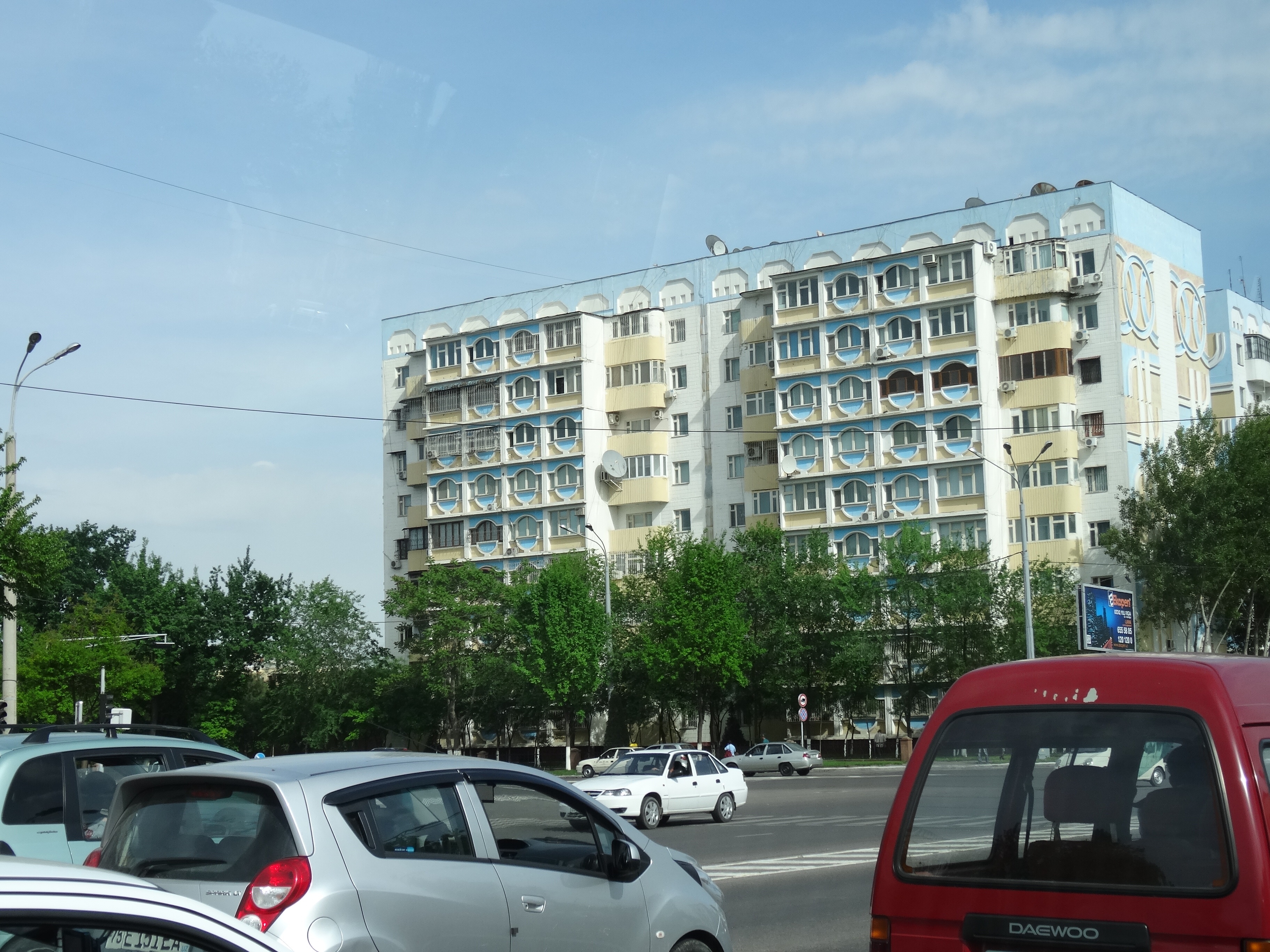
The massive rebuild after the quake means that the dominant architecture is 1970s Soviet. Strong concrete apartment blocks have space age design work along their front facades and stunning murals on their side walls.

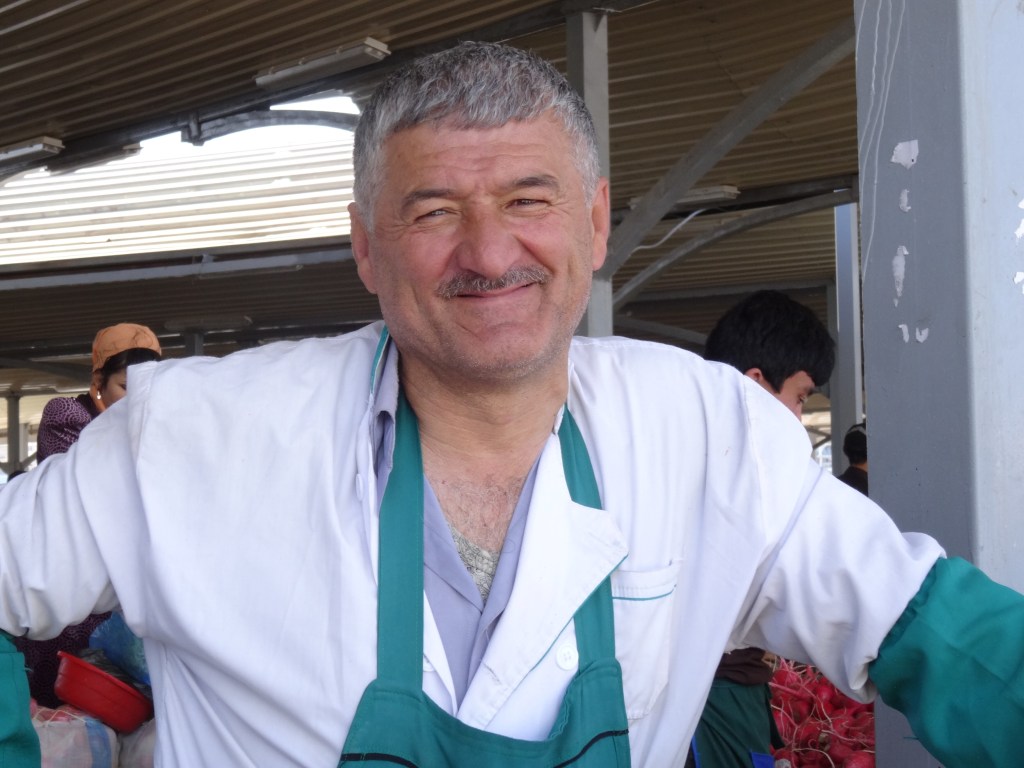
Another feature is the metro stations – as in Moscow and St Petersburg these are monumental public art – each one with a theme, such as the cotton industry, or cosmonauts. The earlier ones are the most impressive, when money was more freely available. Some have chandeliers, many have huge arches across platform and tracks, many have mosaic work along their entire sides. Trains arrive every five minutes and are pleasant and clean, like all other public spaces here. Uzbeks are friendly, hospitable and polite. They have welcomed us in markets with big smiles and cries of “kangaroo!”, obligingly posed for photos after removing their work aprons, and stopped to help when they saw us studying maps on street corners.

The national dish is plov, a pilaf with lamb – a bit fatty but OK eaten sparingly! Dried fruit and nuts are delicious, especially walnut stuffed apricots and dates. We visited huge restaurants where plov and other favourite dishes are prepared on a large scale and served efficiently to seatings of hundreds. The markets are also on enormous scale, and it is said at Chorzu market you can buy anything from a toothpick to a car.


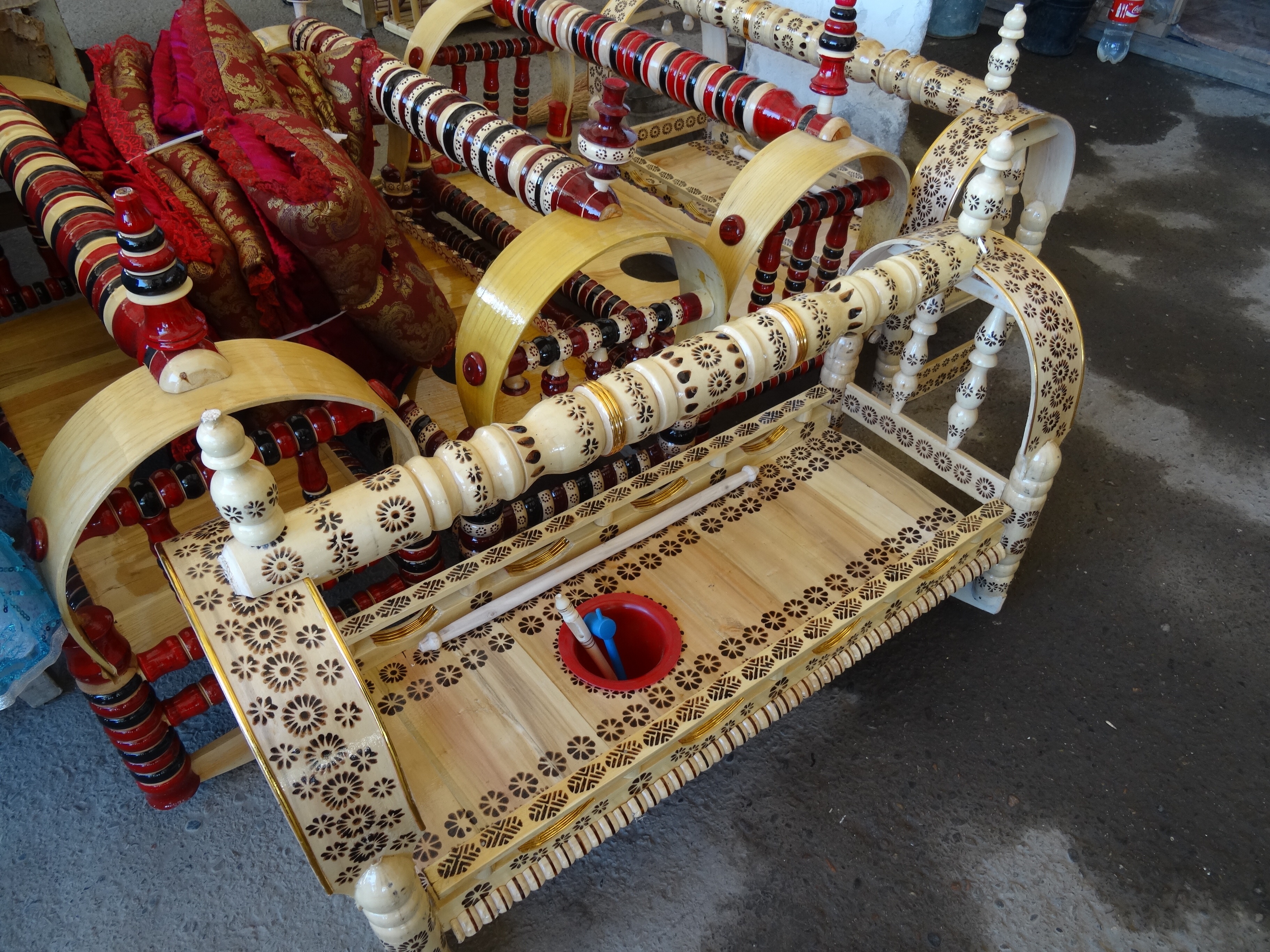
One fascinating cultural detail is the swaddling of babies in their cradles, complete with plumbing for urine. Babies were strapped into their cots, unable to move, positioned carefully for convenience while mum did other things. Gender specific draining devices feed into a receptacle held below a hole in the cradle. Originally these were ceramic, but now they are plastic. Our guide Mirza pointed out the flattened back of his skull which he claimed was caused by this practice!
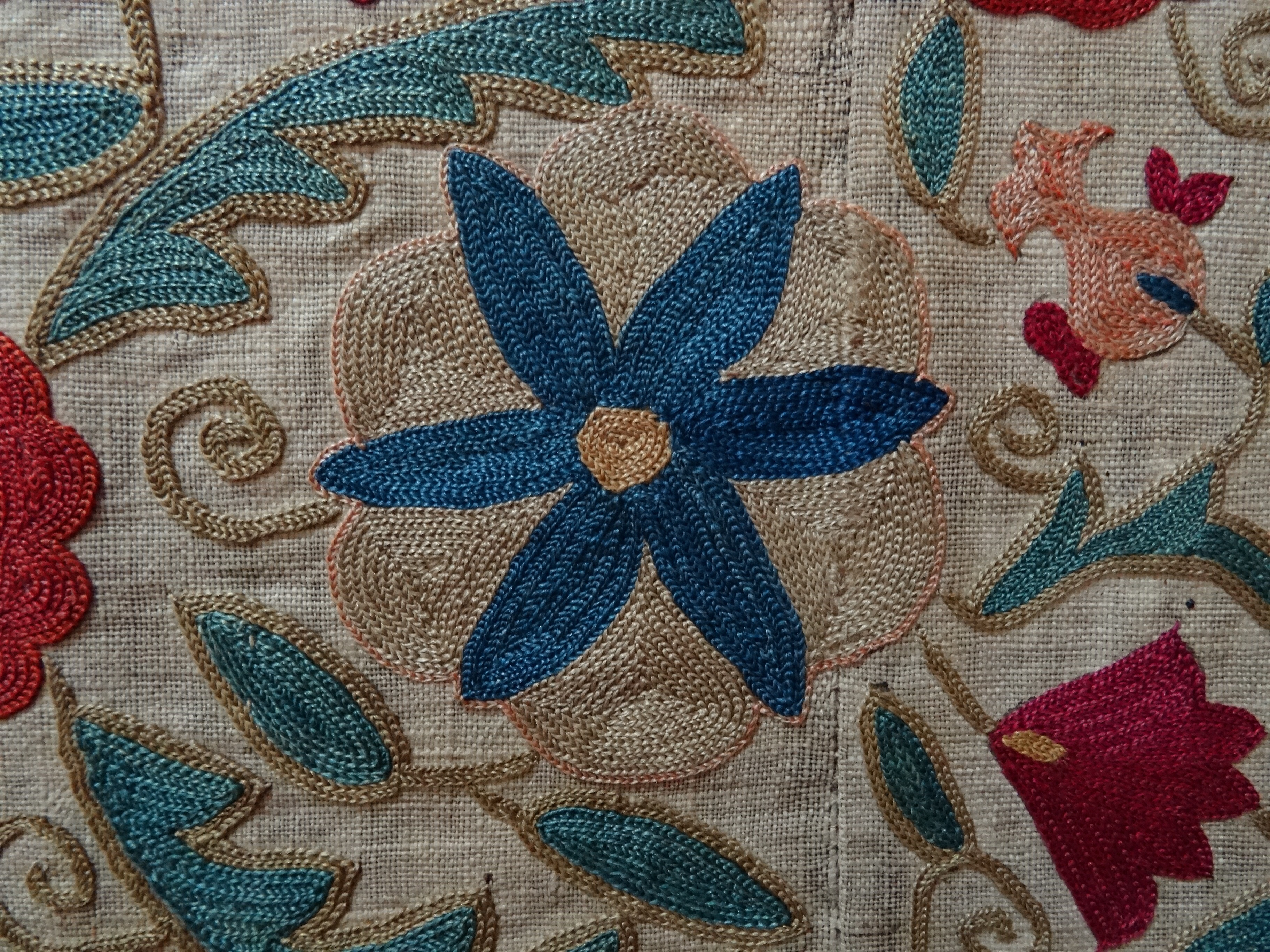
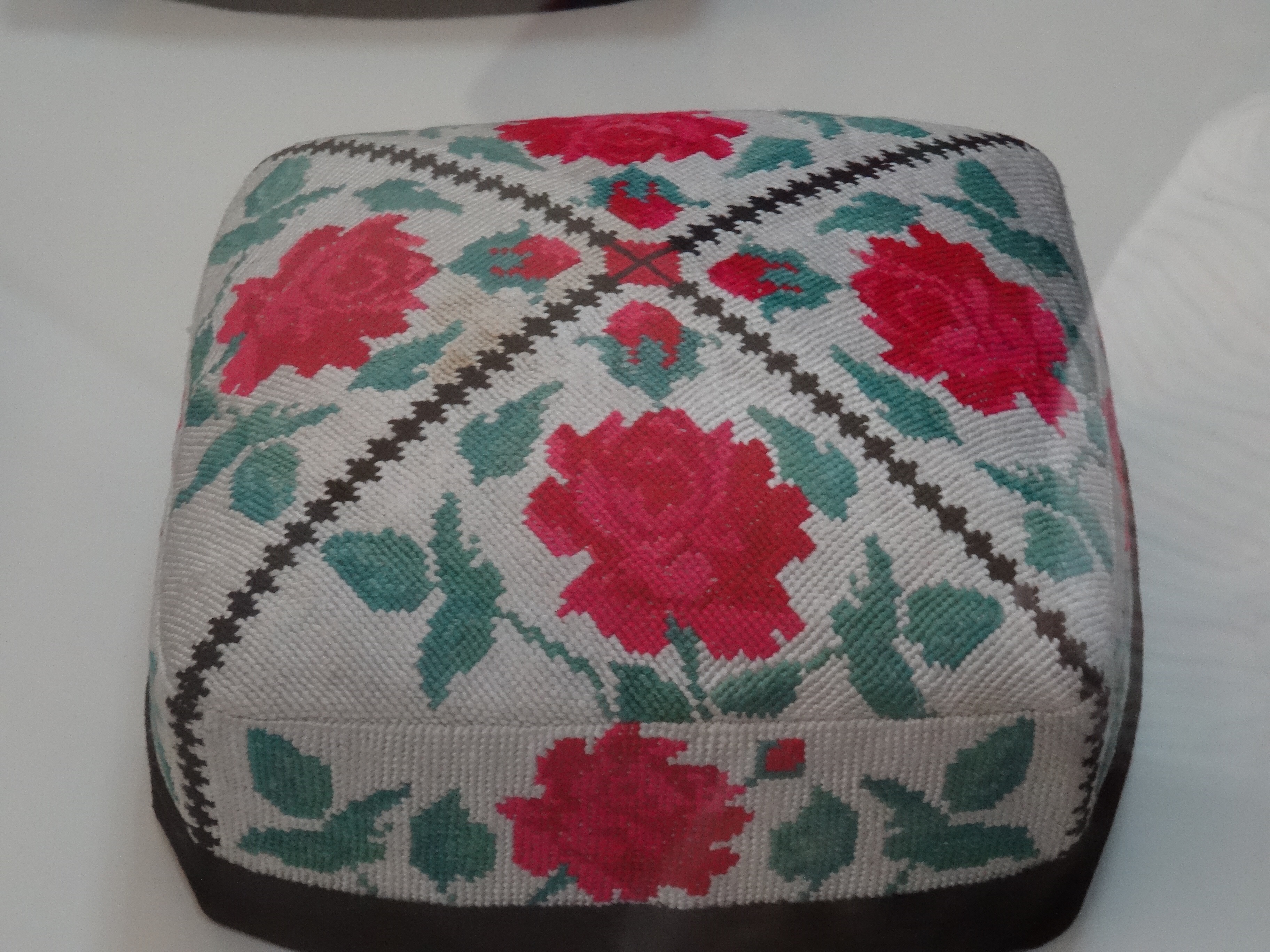
We had our introduction to Uzbek textiles at the Museum of Applied Arts. The main embroidery style, called suzani ( after the word for needle), is a highly decorative style of chain stitch on cotton backing, which was once a necessity in a girl’s dowry, consisting of a range of pieces, sometimes large (bedspread size) or smaller. Some of these may have been used as canopies during the wedding service, then became wall hangings or other treasured pieces of the household. The were the hung or used as covers. Designs featured pomegranates, symbols of fertility, peacocks, tree of life and circles representing the sun .

We left Tashkent for Samarkand on an extraordinarily efficient bullet train which delivered us in two hours instead of the six by road. The station was spacious and comfortable ( especially the VIP lounge we were ushered into) and the train had comfortable seats with footrests, plenty of legroom, congenial crisply uniformed staff wheeling all sorts of catering trolleys down the aisles. We travelled through river valleys and cuttings, crossing Central Asia’s greatest waterway the Amu-Dayra river and with the dominating snow capped fan mountains on the south eastern horizon.



 Kris Needham
Leave a reply to Christine Spink Cancel reply